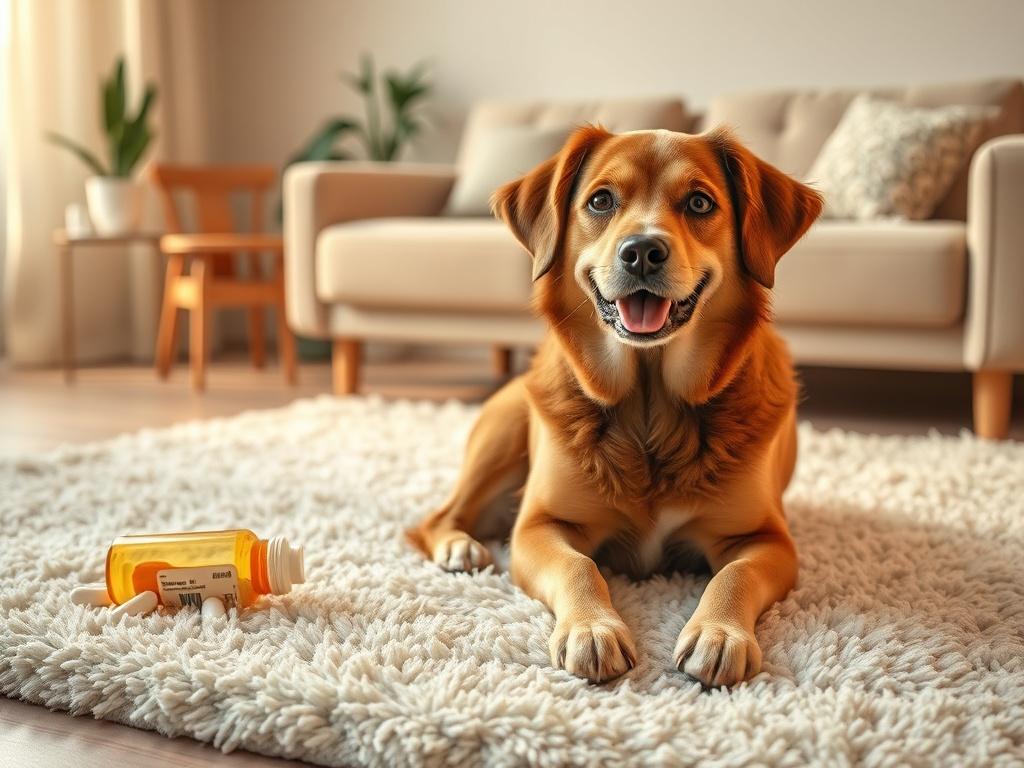
Administering medication to pets can be a challenging task for many pet owners. Whether your furry friend needs daily doses or occasional treatments, ensuring their safety and comfort during this process is crucial. Our guide offers essential advice for giving your pets medication safely and effectively, helping you navigate this responsibility with confidence. By understanding the best practices for administering medication, you can reduce stress for both you and your pet while ensuring they receive the care they need.
In this blog post, we will explore essential tips for giving your pet medication safely, along with effective techniques to lessen anxiety during medication time. Additionally, we will provide practical solutions for those moments when your pet flat-out refuses to take their medication. With this comprehensive approach, you will be well-equipped to tackle medication time with ease and compassion, ultimately supporting your pet's health and well-being.
Essential tips for administering pet medication safely
Administering medication to your pet can be challenging, but following essential tips can ensure their safety and comfort. First, always read the label and instructions provided by your veterinarian or pharmacist to understand the proper dosage and administration method. Keep medications out of reach of your pet when not in use to prevent accidental ingestion. Use a pill organizer to manage multiple medications and avoid confusion. It’s vital to set a routine for giving medication, as pets thrive on consistency. Establish specific times each day for administering their medications, which will help them anticipate the process and reduce anxiety.
Additionally, never attempt to crush or modify medication without consulting your vet, as some medications may lose effectiveness or become harmful when altered. To make the process smoother, choose a quiet, distraction-free space where your pet feels comfortable. Always approach your pet calmly, using a soothing voice. If giving a pill, place it at the back of their throat and gently hold their mouth closed until they swallow. For liquid medications, use a syringe or dropper to ensure accurate dosing, aiming for the side of their mouth. Remember to praise your pet and offer a treat after successfully administering the medication to create a positive association with the process.
Effective techniques for reducing stress during medication time
Administering medication to pets can be a source of anxiety for both the pet and the owner. To create a calm and reassuring environment, start by choosing a quiet space free from distractions. Use a soothing tone of voice and maintain a confident demeanor. Pets can sense their owner's emotions, so if you remain calm, it can help alleviate their stress. To make the experience more pleasant, turn medication time into a positive event by incorporating treats or praise. This builds a positive association with the process and encourages cooperation from your furry friend.
Another effective technique is to establish a routine around medication time. Consistency can help your pet feel more secure and predictable about the process. Try giving medication at the same time each day and follow a consistent pattern of activities leading up to it. You can also engage your pet in a brief play session before administering medication, as this can help release pent-up energy and reduce anxiety. If your pet is still resistant, utilizing tools like a pill pocket or a special treat designed to hide medication can simplify the experience, making it less stressful for both of you.
What to do if your pet refuses their medication: Practical solutions
If your pet stubbornly refuses to take their medication, remain patient and try various strategies. One effective approach is to mix the medication with a small amount of your pet's favorite food. Most pets will eagerly consume treats like peanut butter or wet food, which can mask the taste of the medication. Ensure you follow your veterinarian's guidance on whether the medication can be taken with food. Additionally, breaking up tablets or crushing them can help. Just remember to confirm with your vet that doing so won't affect the medication's efficacy.
If food masking doesn’t work, consider using a pill pocket or specialized medication treats designed to conceal tablets or capsules. These treats are often tastier and might entice your pet into taking their medication without a fight. Alternatively, using a syringe for liquid medications can effectively squirt the medicine directly into the back of your pet's mouth, helping it go down quickly. If your pet continues to resist, don't hesitate to consult your veterinarian for additional tips or alternative formulations that might be easier for them to accept.